

Distraction Tactics
How to spot when brands, public figures and spin doctors use distraction tactics to shift attention toward what they want, and away from the truth.

For obvious reasons, I’ve been thinking about distraction tactics a lot. As Jonathan Alter writes in his Substack Just Another Dopey Distraction Stunt, the DC takeover is a great example of the strategy.
Distraction tactics have been around for eons. Though I hate to disagree with Alter, they are incredibly effective not only to distract away from a situation but also to draw attention to one. Despite their flashiness, they’re not always easy to spot. In this post I’ll provide five examples (not all Trump I promise) of the most used distraction tactics, but first…
A first-hand (terrifying) example

Years ago, I ended up next to a C-suite guy from Big Oil (we’ll call him Big Oil Dude)at one of those Breckenridge junkets my then-husband’s company ran for oil execs. Think free ski vacations, too much booze, and me as the “plus one” wife. If you know me well I’m not sure you can image the last one, but try.
As the drinks flowed, Big Oil Dude bragged about $100-a-barrel profits and other great stuff, basically offering up a bad boozy version of Friedman’s Capitalism and Freedom.
Big Oil Dude had no idea I was working PR for the Sierra Club and Union of Concerned Scientists at the time. Seeing a brilliant opportunity to dig for info, I batted my eyelashes and started asking a few “dumb” questions.
Do they really think climate change is fake? “Nah,” he grinned, “we’re just making money as long as we can.”
Aren’t you worried about hurting the planet? “Honey, we’re giving people what they want.”
Drilling in our northern-most state was top of mind even then, so I asked: What about Alaska?
That’s when he dropped the bomb. “There’s not enough oil to bother,” Big Oil Dude said. “But when those crazy green folks get too close to fracking, we announce fake exploratory drilling up there and they go nuts. Keeps them busy while we do what we want.”
After decades in media and even a stint doing crisis comms for the Minnesota GOP, I thought I’d seen every distraction tactic. But never had anyone admitted it so blatantly, and with so much derision. It still makes me sick today.
The use of distraction tactics has accelerated rapidly since then (thanks internet), and the more egregious ones always remind me of Oil Dude and his cronies. While we see Trump using these well-worn communication tactics seemingly everywhere, they’re not new. Distraction tactics are part of a tried-and-true media playbook designed to provoke, divert, and overwhelm.
If you want to get better at spotting them, here are five popular tactics the “spin doctors” love to use, and some great examples.
Top Five Distraction Tactics
1. Legal spectacle and courtroom theater
Turning legal trouble into public drama is a distraction strategy Trump has used for most of his life. I met him in 2006 at a small party during a PRSA conference. (PRSA is the global association of public relations professionals.) That night Trump bragged he never needed a media consultant, as he was “the best PR man in the history of public relations.” (He also said Melania did his hair every morning, but I doubt that’s still the case.)
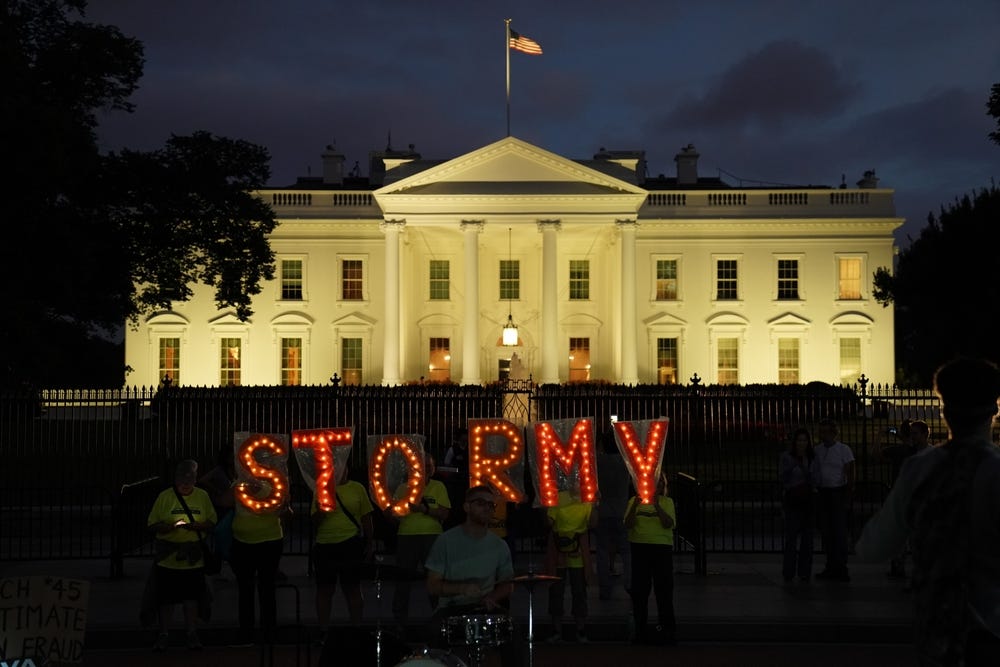
With Trump, every courthouse appearance is a campaign rally designed to dominate the news cycle. Take the 2016 Manhattan “hush money” trial. Instead of quietly contesting charges that he falsified business records to cover up payments to Stormy Daniels, Trump used every hearing as a political soapbox. He railed against “witch hunts,” fundraised off his mugshot, and made the case less about the overwhelming evidence, and more about him as a persecuted figure.
The circus guaranteed saturation coverage and shifted attention away from the details of fraud. It was just too juicy (and lucrative) for even the best news organizations to ignore. While most people still didn’t believe him, it was enough for his key supporters to remain loyal, parroting the “victimhood” message in his powerful MAGA echo chamber.
2. Victimhood messaging and martyrdom
Casting a brand or celebrity as a victim of persecution is a classic deflection and a way to shift the narrative quickly from accountability to sympathy. When P. Diddy’s legal troubles started dominating headlines, his team was quick to paint him as the target of a biased system, and of course as a witch hunt.
The strategy wasn’t to address the accusations head-on but to reframe him as a cultural icon unfairly under siege. Suddenly, instead of paying attention to the charges, and the stories of the women he “allegedly” abused, the conversation turned to whether he was being persecuted. It was a textbook example of distraction through victimhood. Sadly, it’s a well-worn defense tactic used in many other sexual assault cases. And it worked.
3. Outrageous statements
Note that distraction works to drive attention TO a story, as well as away from it. Trump may rely on crazy soundbites, but PETA has perfected the art. Early in 2025 activists rolled up to the ASPCA’s Manhattan office with a truckload of manure, planning to dump it as a statement against the group’s hypocrisy. But the “load” froze solid, leaving protesters stuck shoveling ice-cold poop on the sidewalk. PETA didn’t skip a beat, proving the old adage that:
“Bad PR is like bad breath. It’s better than no breath at all.”
At least a dozen major outlets ran it right away, and AP syndication pushed the story nationwide. I’ve worked with PETA, and historically these stunts always turn into large donation spikes for the organization. They know the antics are ridiculous, but it gets ink. Distraction tactics are pure gold for the organization.
4. Petty drama
Think about the feud between Elon Musk and Trump. Obviously, both narcissists wanted some attention here and the “big beautiful bill” provided some great distraction fodder. The media devoted endless coverage to their insults, threats, and social-media sniping. Meanwhile, the bill’s actual contents, including the horrific impacts of its sweeping domestic spending and global aid cuts, faded from headlines.
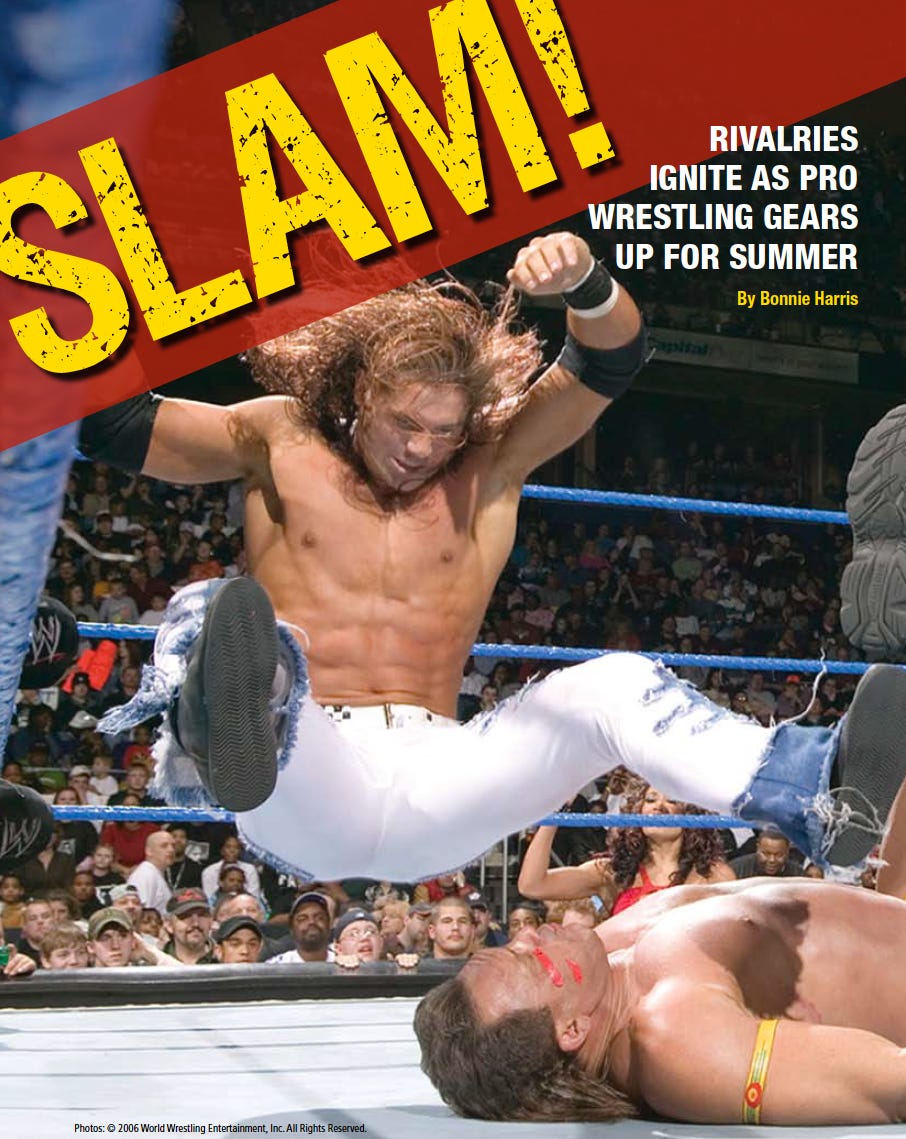
This feud is an example of pro wrestling “kayfabe” where the drama is portrayed as real, a suspension of disbelief if you will. I’m still not sure this “feud” wasn’t entirely staged. Linda McMahon does, after all, work in the administration.
5. Culture war firestorms
Few things divide and distract like culture war battles, and brands deploy it just as much as politicians. In July of this year, American Eagle launched a denim campaign featuring Sydney Sweeney using the pun “genes/jeans,” which sparked enormous backlash. It set off a firestorm of woke vs. anti-woke discussion.
Personally, I think the American Eagle marketers and Sweeney’s team knew exactly what would happen. The jeans sold out, market cap for the company rose by $400 million in one day and the label has gained billions in brand equity. This is distraction at its most effective. And most disturbing.

A final note
Remember, distraction tactics only work if we let them.
The more we understand their patterns, the less power they have over our attention. By recognizing the distraction tactic playbook, we can refuse to be manipulated, keep our focus on what matters most, and hold the real issues in view.
Here’s some homework. See what’s at the top of your feed in social media, or the latest headline. Can you spot which distraction tactic is being used? But please, don’t lose sleep over it. Keep working on our long-term goals.
Our democracy depends on it.
Are their anti-distraction tactics? Do you fight the distraction? Do you set off another distraction in your favor?